
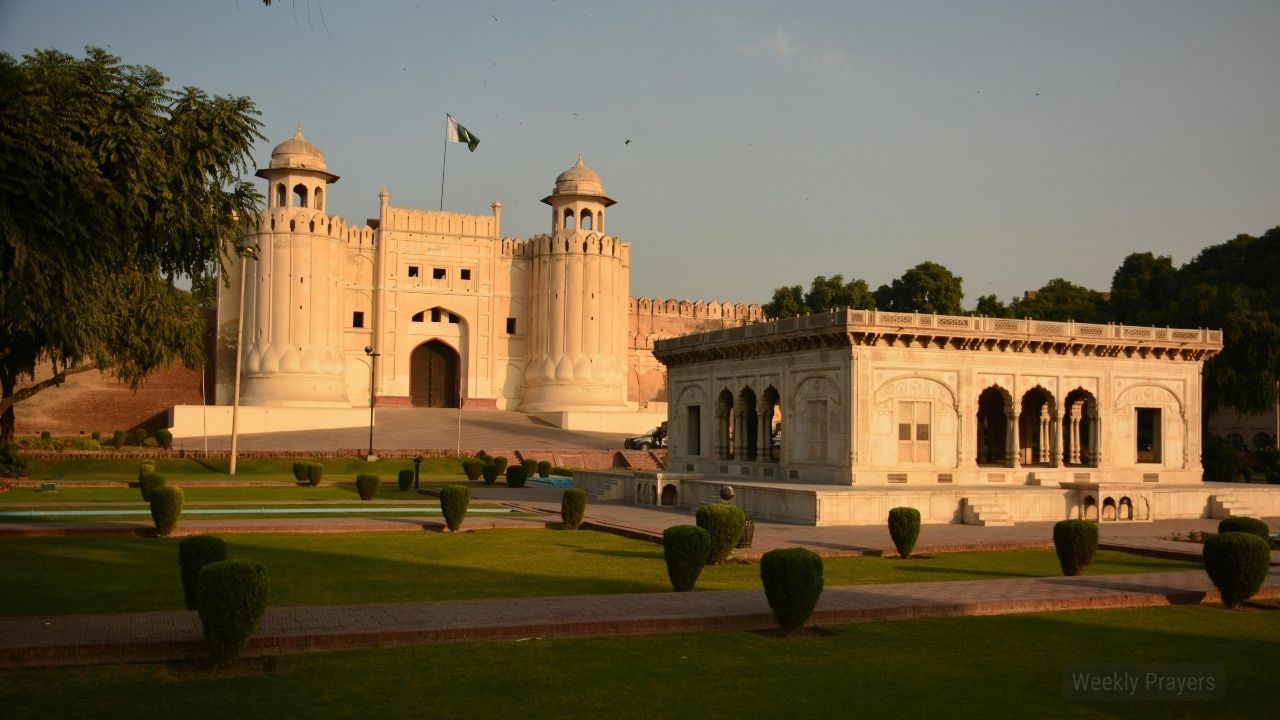
PAKISTAN
Population: 199 million
Dominant religion: Sunni Islam
Persecution ranking: 8
Christians: 1 percent
We have all seen headlines about the war in Iran, but did you know that just to Iran’s east, Afghanistan and Pakistan have been engaged in armed conflict since late February? Last year, 1,200 Pakistanis were killed by various terrorist organizations operating from safe havens inside Afghanistan. In February, one such group attacked a mosque in Pakistan, killing 31 people. Pakistan declared that it had reached its limit.
In response, Pakistan launched an aerial bombing campaign targeting Kabul and Kandahar. It also struck terrorist hideouts and strongholds, ultimately seizing border areas to establish a buffer zone. Afghanistan retaliated with drone strikes on Pakistani territory. The government in Islamabad says it will continue what it calls an “open war” until Afghanistan stops sheltering the more than a dozen terrorist organizations that threaten Pakistan’s security.
Background
The Durand Line was set in 1893, separating regions conquered by the British (eventually becoming Pakistan) from the independent region of Afghanistan. The powerful and war-like Pashtuns straddle both sides of this border. Those in Afghanistan reject the legitimacy of the Durand Line while those in Pakistan accept it. This disagreement has fueled conflict for more than a century.
During the 1990s and 2000s, Pakistan supported the Taliban, and relations between the two countries were close. When the Taliban regained control of Afghanistan in 2021, Pakistani Prime Minister Imran Khan described it as the breaking of the “shackles of slavery.” However, the government in Islamabad did not anticipate that the Taliban would allow attacks on Pakistani soil to increase dramatically in the following years.
Though there are over a dozen terrorist groups sheltered in Afghanistan, including one that is trying to help Baloch Province gain independence from Pakistan, the most prominent one is Tehrik-e-Taliban Pakistan (TTP). This and other terrorist groups recruit, train, and conduct cross border attacks on Pakistan from Afghanistan. Afghanistan’s Taliban government has ideological ties with the TTP, including adherence to Deobandism, one of the many sub strains of Sunni Islam. Despite months of diplomatic attempts by Pakistan, attacks increased in 2025, with no evidence of the Taliban trying to restrain them.
Afghanistan has much to lose if they don’t comply. So far, these terrorist attacks have cost them billions of dollars in trade with Pakistan and the loss of a Pakistani port. International pressures are intensifying as foreign powers recognize Pakistan’s desire to protect itself and the broader need for regional stability. If the TTP and other terrorist organizations are restrained, it will require the Afghans to violently restrain violent men.
Let Us Pray Fervently For:
- Pray for peace in this region (The Bible, Psalm 122:6).
- Pray for the protection of innocent non-combatants who are being killed in this fighting (The Bible, Lamentations 2:20).
- Pray that the senseless fighting in the name of Islam will give Muslims on both sides of the border a willingness to seek and find the Prince of Peace (The Bible, Isaiah 9:6).
Resources
Council on Foreign Relations. Why Are the Afghan Taliban and Pakistan in an ‘Open War’? March 17, 2026.
Chatham House. Afghanistan and Pakistan are facing ‘open war’. De-escalation is needed. March 4, 2026.