
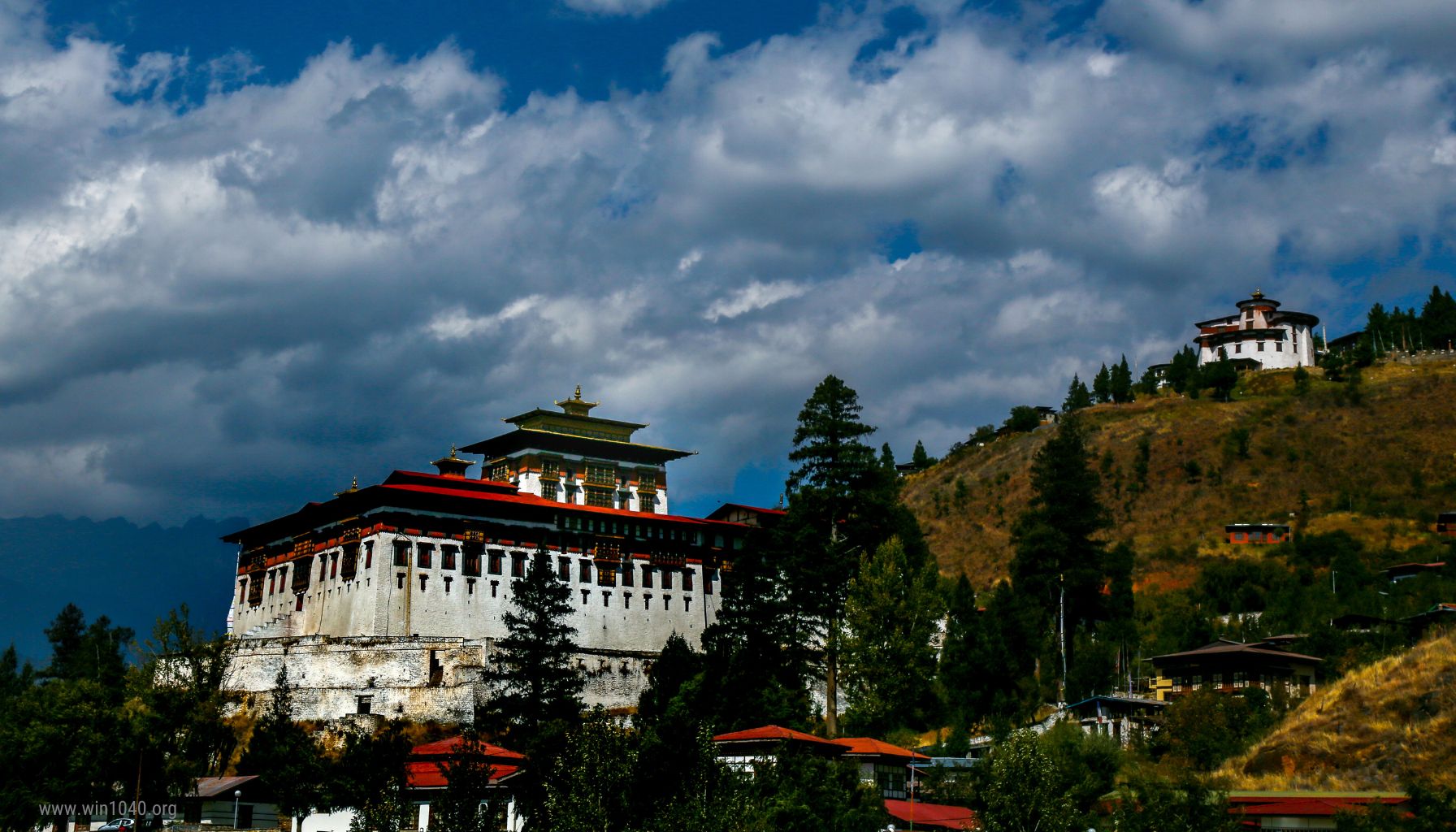
BHUTAN
Population: 741,700
Dominant religion: Buddhism
Persecution ranking: 36
Christians: Less than 1%
As we enter 2026, Bhutan has an opportunity to enter a fourth year of economic growth. Ironically, that growth is tenuous, because it comes primarily from remittance from Bhutanese who work abroad. Unemployment and underemployment are high in Bhutan. Even those with advanced education receive low pay with poor working conditions. Young, educated Bhutanese have migrated to other countries for work, especially after covid became less of a threat. For example, the number of educated Bhutanese employees migrating to Australia doubled in the last three years. To give it context, three and a half percent is a high percentage of people migrating out of the country of their birth for work. For Bhutan it’s a whopping 10 percent.
Bhutanese leaders understand the situation is short-sighted. If they continually lose their educated population, who will take care of Bhutan’s needs for medical doctors, engineers, and educators?
To attract them back, Bhutan began a bold plan for the Gelephu Mindfulness City (GMC). Last summer, they broke ground for an international airport in the new location. This $100 billion project will take 10 years to complete and will be twice the land mass of Los Angeles. Gelephu will be a city like no other if it goes as planned. There will be plenty of open space set aside for meditation and thoughtfulness. Gelephu will be dedicated to environmental protection. They will only have electric cars. Foreign corporations will be screened; only those with a good environmental track record will be allowed to conduct business in Gelephu.
These seem like unusual expectations for a new city, but the Bhutanese highly value happiness and spiritual well-being. They developed the Gross National Happiness (GNH) index, with the purpose of measuring the happiness of a country’s population. For decades the Bhutanese have been among the world’s most happy people, according to GNH surveys. In a strange attempt to ensure it continued that way, the Bhutanese government banned television and the internet until 1999. The modern world continued to change, and it became apparent that Bhutan could no longer afford to remain isolated even if it posed risks.
It will be difficult to attract the Bhutanese diaspora back to Bhutan. How can Bhutanese professionals get paid as well as they are in Australia, Canada, or the United States? Will they be satisfied with dirt roads and poor internet connections after experiencing the infrastructure of the urban West?
There are even bigger concerns. The $100 billion price tag for Gelephu will likely put Bhutan in debt. Where can a nation made up mostly of herders and subsistence farmers get that kind of money? Nearby China would love to control more of the Himalayas, and offering loans would be a great segue. Even if the plan for Gelephu works, will it morph into a refuge for a wealthy elite?
Their contact with the outside world will accelerate this year. It can lead to economic exploitation and bankruptcy if not handled carefully. We need to pray for Bhutan’s future.
Let Us Pray Fervently For:
– Bhutan’s big plans to result in good, not economic catastrophe (The Bible, Proverbs 16:3).
- Bhutanese Buddhists to find the happiness they seek in the arms of Jesus Christ (The Bible, Lamentations 3:22-24).
- May Christian Believers reach out to Bhutanese Buddhists with kindness and mercy (The Bible, Ruth 2:8-9).
Sources:
Christian Science Monitor. Seeking growth, Buddhist Bhutan experiments with ‘mindful capitalism’. September 26, 2025.
World Bank. Bhutan’s external migration surges twofold from 12,000 to 25,000 in 4 years: World Bank. May 29, 2025.
World Bank. Bhutan Maintains Robust Growth with Migration Playing Key Roles. May 25, 2025.
The Star. Bhutan’s emigration dilemma: Will they return? May 28, 2025.